Buyer Problem
A Kermit style chair depends heavily on panel tension and hardware alignment; small differences can make the chair look uneven in photos.
Kermit style chairs are chosen by buyers who want a cleaner outdoor seating look and a compact folding structure. The real work is controlling fabric panels, arm detail, hardware finish and packing consistency.
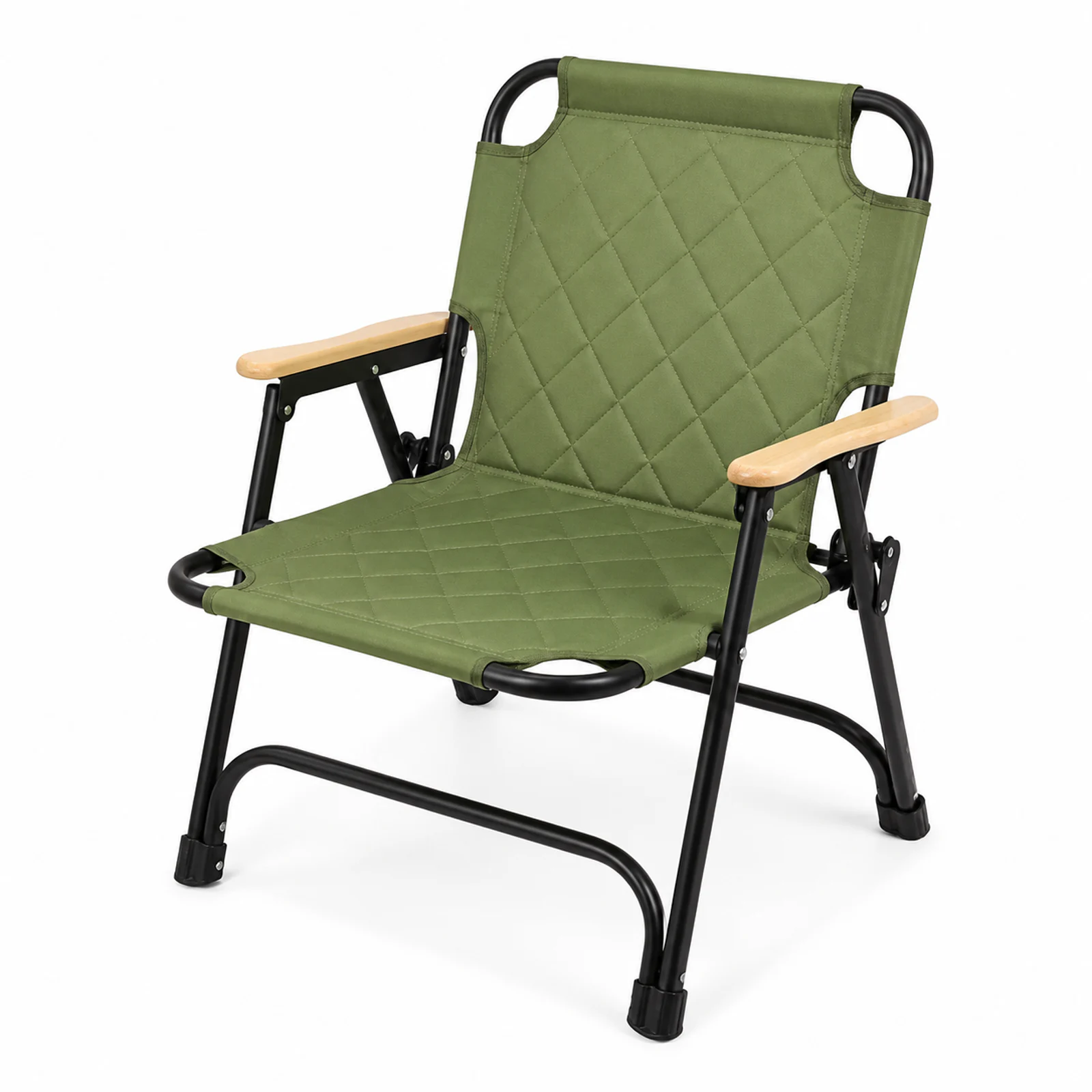
Kermit style chairs are chosen by buyers who want a cleaner outdoor seating look and a compact folding structure. The real work is controlling fabric panels, arm detail, hardware finish and packing consistency. A buyer should not compare only the photo or the unit price. The sample must show how the structure, fabric, logo and packing will work in bulk production.
A Kermit style chair depends heavily on panel tension and hardware alignment; small differences can make the chair look uneven in photos.
Wood arm color, fabric shade and metal hardware must be approved together, not as separate samples.
The compact folded size is useful for shipping, but only if the carry sleeve, carton and instruction sheet are planned early.
Review arm material, hinge hardware, removable fabric panels and packed form across these Kermit-style references before approving the sample route.
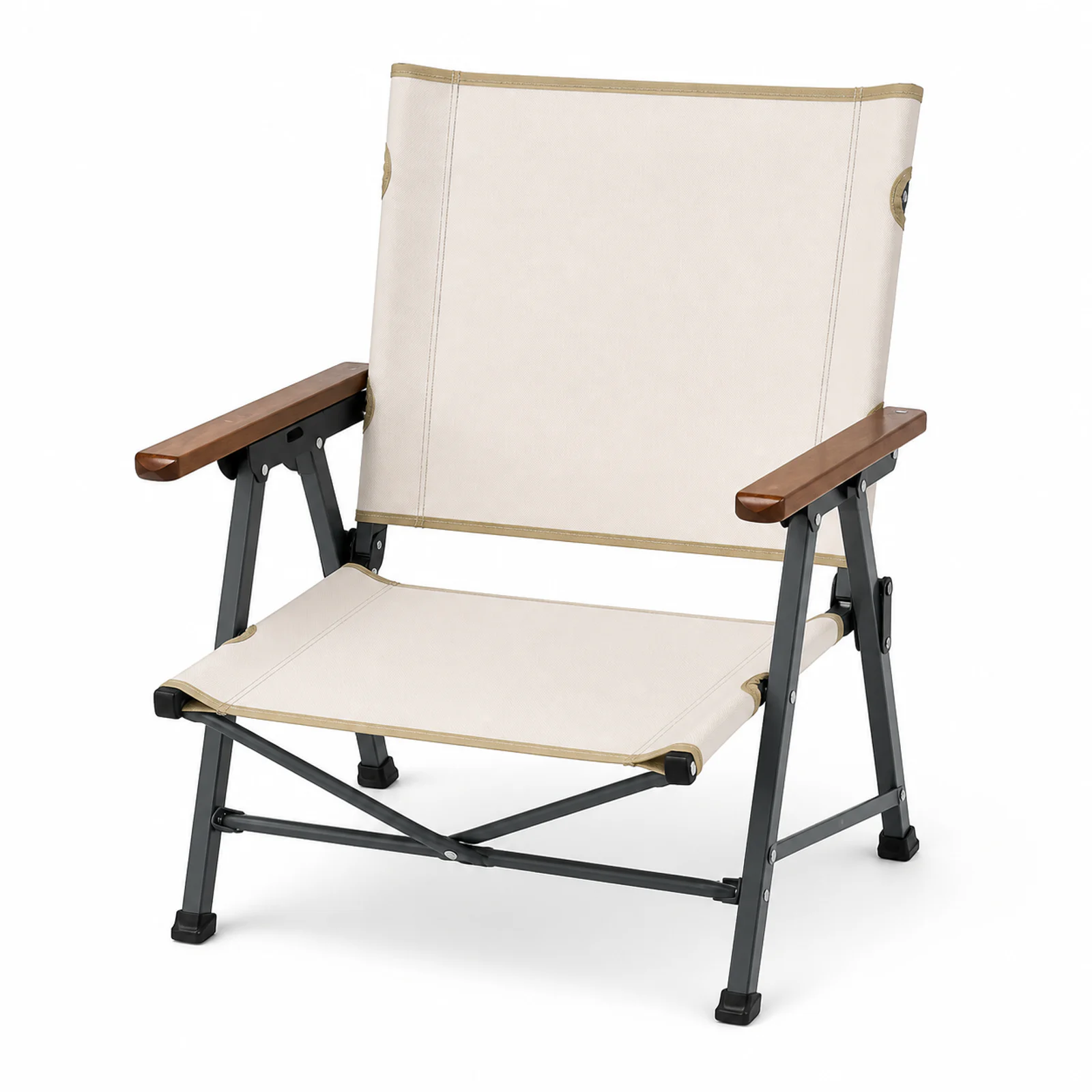
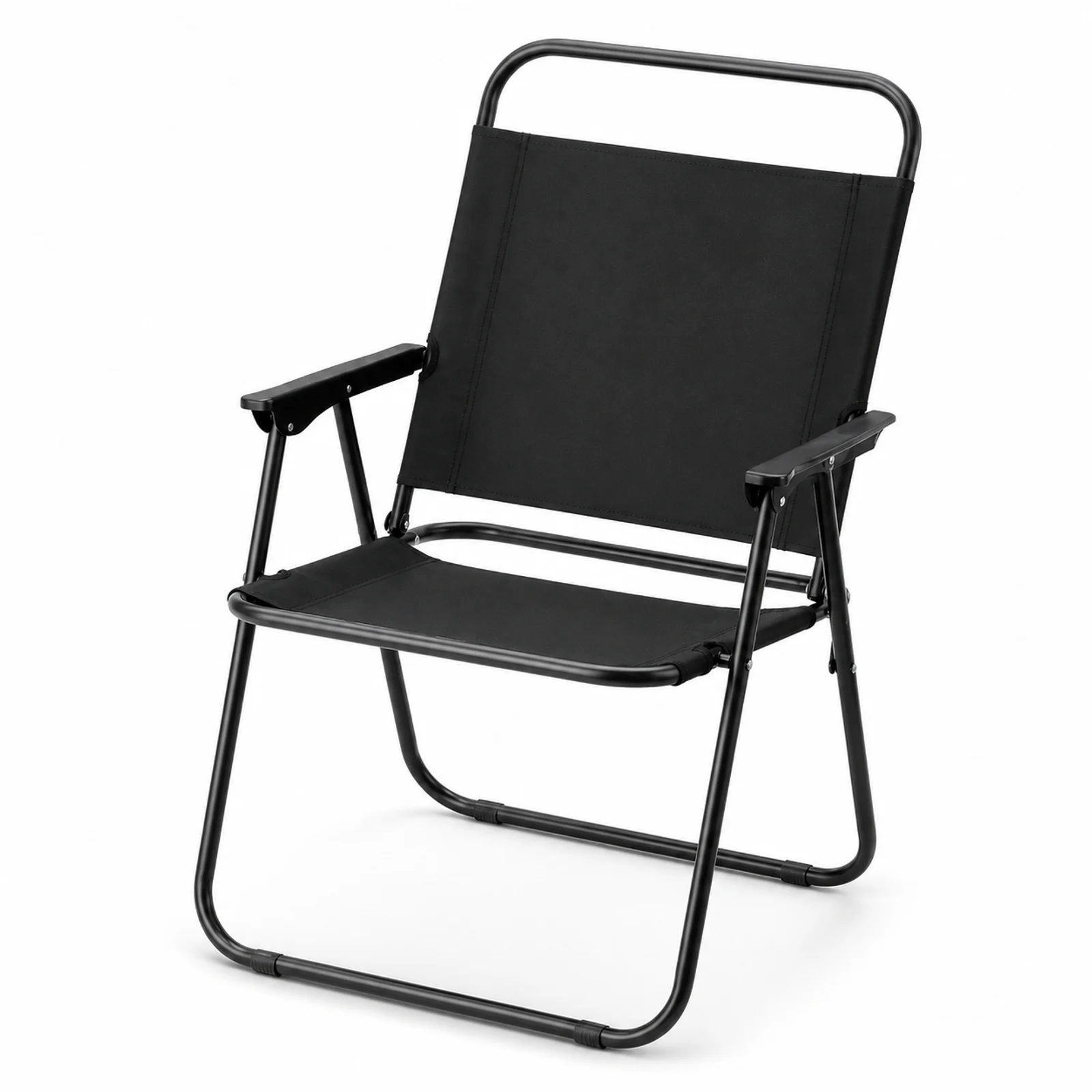
Approve the arm material, edge sanding and finish sample beside the metal hardware so wood tone and coating do not conflict in production.
Panel dimensions and seam allowance control seat tension. We confirm the cut pattern and color under the same lighting used for sample approval.
Check hinge alignment, screw heads, locking engagement and coating coverage before the frame goes into repetitive opening tests.
The sleeve must fit without rubbing the arms. Hang tags, spare hardware notes and carton marks are approved before packing starts.
MOQ for Kermit Style Chairs depends on chair structure, fabric color, frame finish, logo method and packing style. Existing structures can usually move faster than a new ODM development.
A Kermit-style sample is approved for arm finish, screw and hinge engagement, panel tension, seat angle and sleeve fit. Those references are photographed and kept with the bulk inspection file.
Compare left and right panel height, seam position and seat tension after the complete frame is locked open.
Inspect arm edges, surface scratches, coating chips and visible screw heads under neutral light before packing.
Open and fold sampled chairs repeatedly, then confirm the sleeve slides on without forcing or rubbing the arm finish.
Check logo scale, color, stitch density or print adhesion on the production fabric and verify every label faces the agreed direction.
Count units, verify carton dimensions and match barcode, PO number and shipping marks to the approved packing file.
Approve wood or molded arm material, edge sanding, color, visible hardware and the clearance around each folding joint on the physical sample.
That depends on the frame and fixing method. If removable panels are required, we confirm sleeve tolerance, fasteners and replacement instructions before tooling or bulk cutting.
Arm length, joint position, detachable parts and carry-sleeve design determine the final pack. We measure the approved chair rather than estimate from an open-size drawing.
Share chair type, reference photo, quantity, logo method, fabric color, packing request and destination market. Our production team will reply with sample suggestions and a bulk order plan.