Buyer Problem
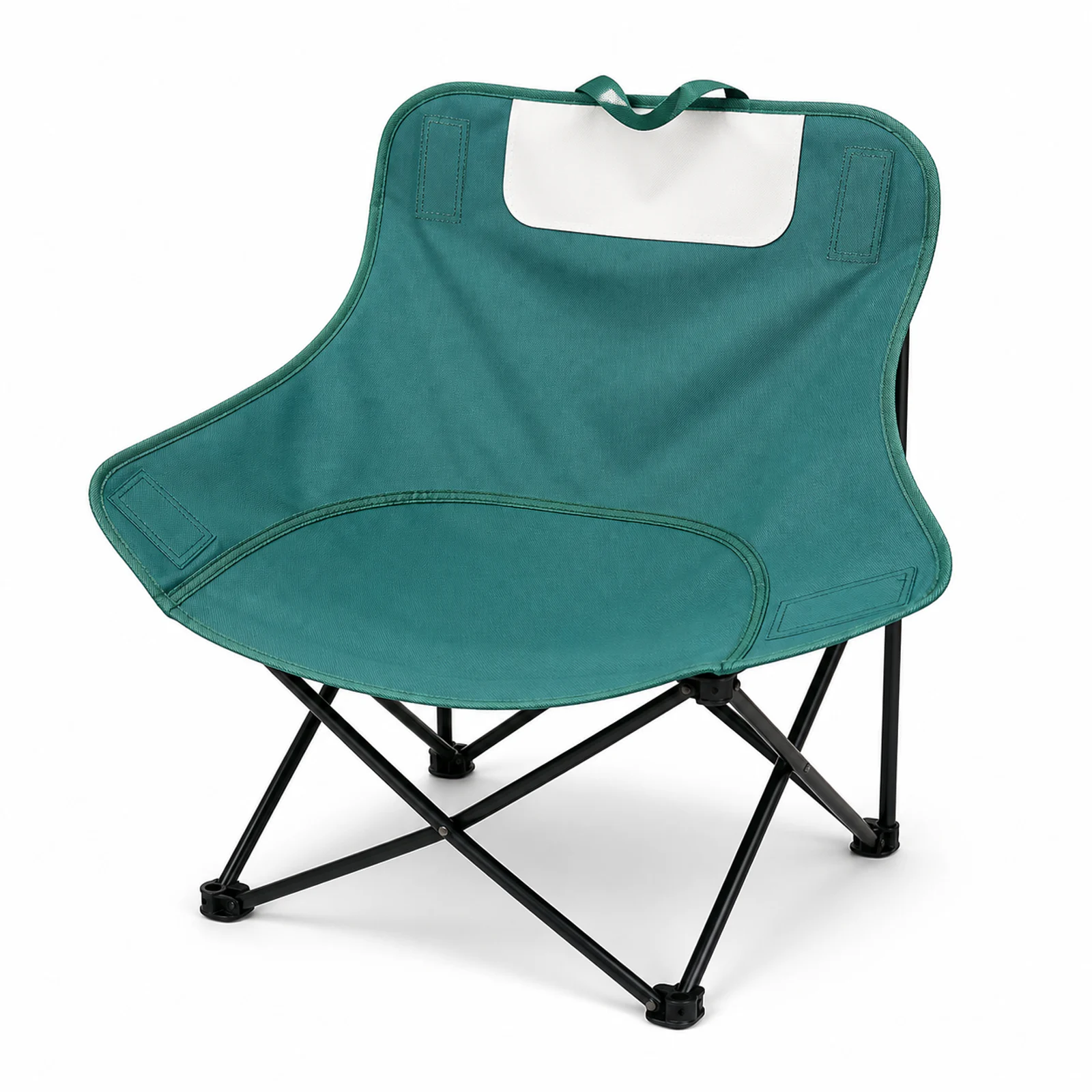
A rounded moon chair can feel comfortable in one sample but lose shape if the fabric tension is not controlled in bulk production.
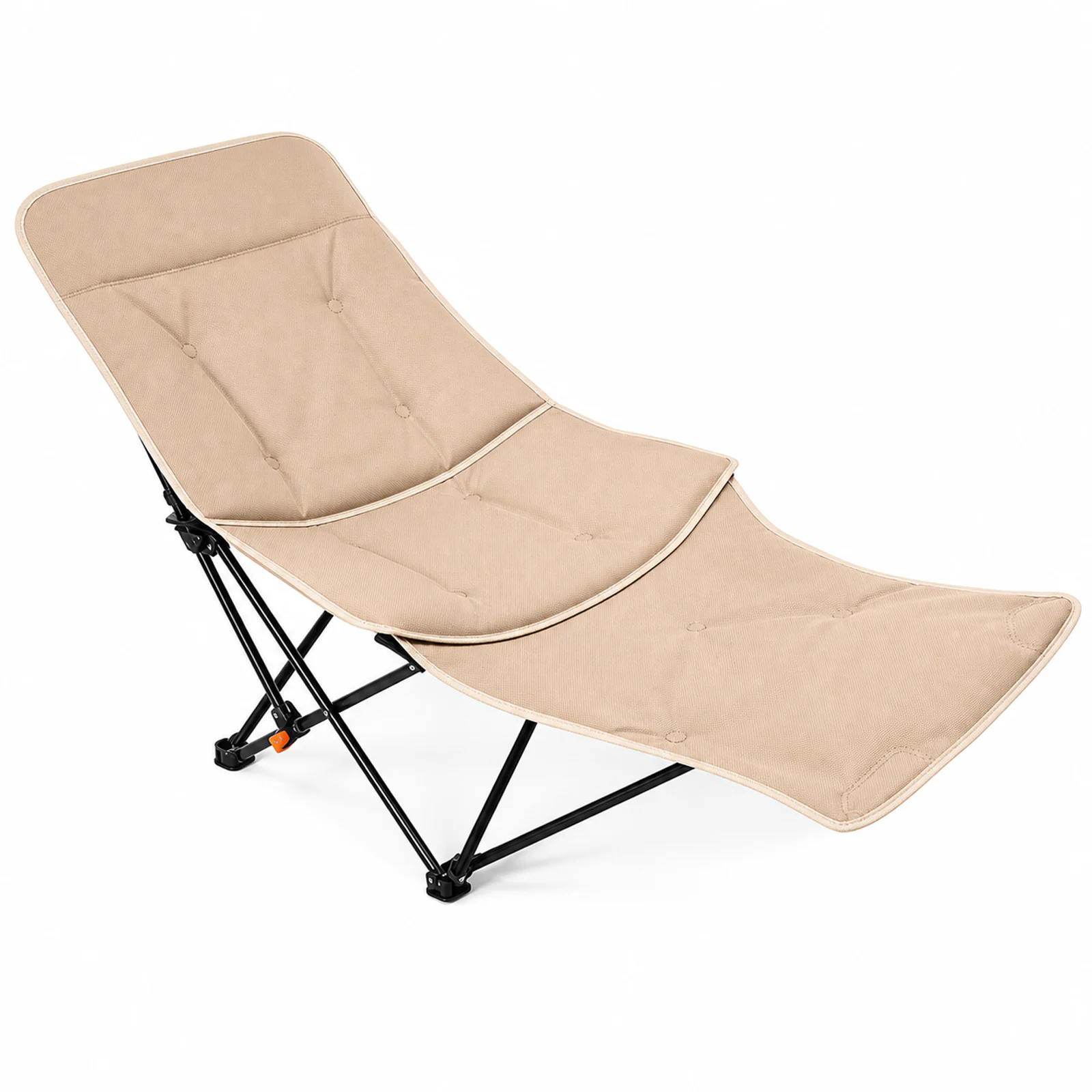
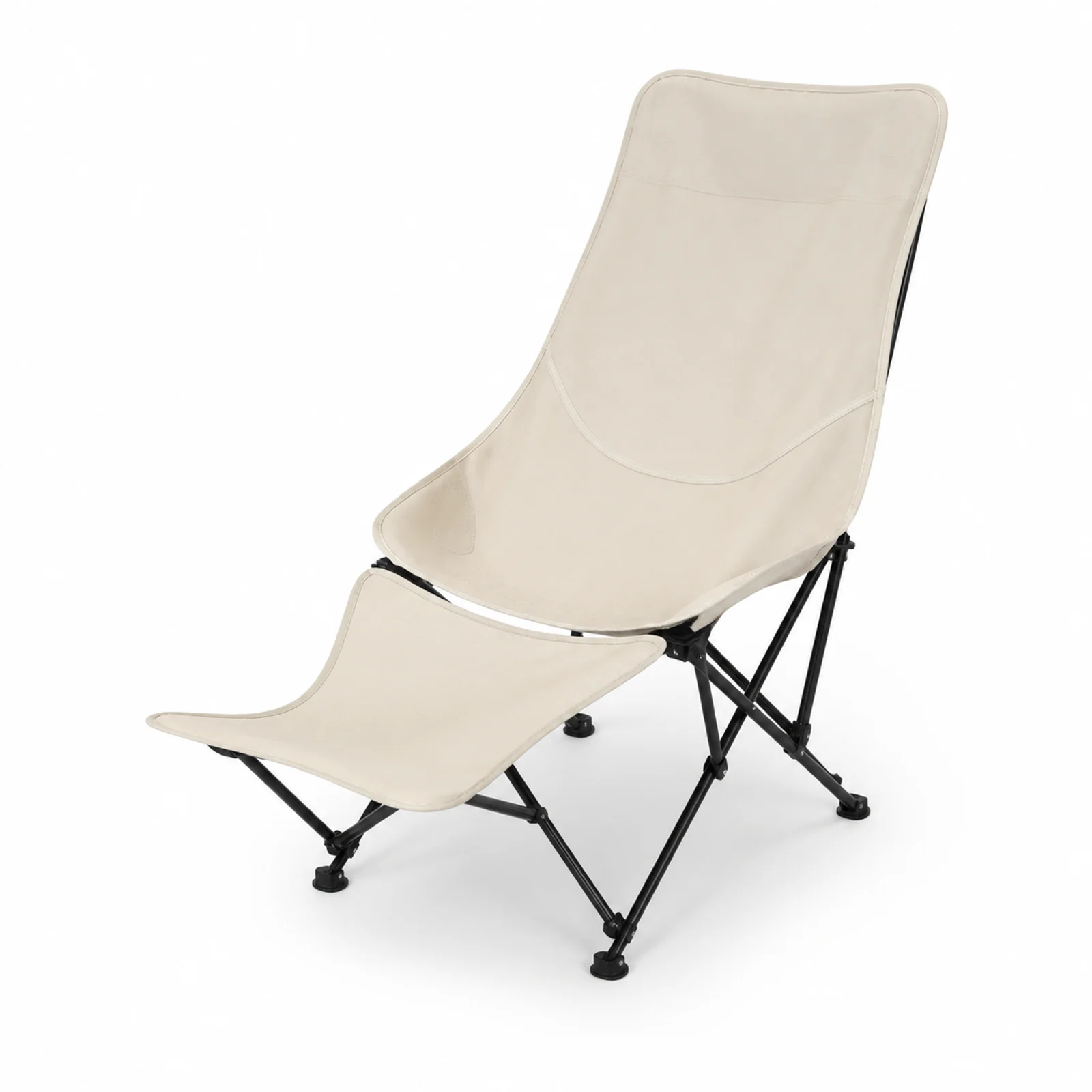
Moon chairs look simple in a catalog, but the production result depends on the curve of the frame, fabric tension, padding, folding action and carton plan. Our factory reviews those details before a buyer approves the sample.
Moon chairs look simple in a catalog, but the production result depends on the curve of the frame, fabric tension, padding, folding action and carton plan. Our factory reviews those details before a buyer approves the sample. A buyer should not compare only the photo or the unit price. The sample must show how the structure, fabric, logo and packing will work in bulk production.
A rounded moon chair can feel comfortable in one sample but lose shape if the fabric tension is not controlled in bulk production.
Padding adds comfort, but it also changes sewing difficulty, carton volume and the way the chair folds into the carry bag.
Buyers often compare two moon chairs by photo only, while tube thickness, coating, joint design and fabric weight create very different costs.
Use real product photos and sample notes to confirm the visible chair shape, detail finish, folded size and packing direction before bulk order approval.


We confirm this point during sample development so the buyer understands the cost, MOQ and QC effect before bulk production.
MOQ for OEM Moon Chairs depends on chair structure, fabric color, frame finish, logo method and packing style. Existing structures can usually move faster than a new ODM development.
Sample review should include open size, folded size, fabric tension, stitching, frame coating, folding action, logo result, carry bag fit and export carton plan. After sample approval, the production team follows the confirmed details through material preparation, cutting, sewing, assembly, QC and packing.
Our production team treats the sample as a working production standard, not only a sales photo. For OEM Moon Chairs, we check whether the approved details can be repeated by the cutting, sewing, frame and packing teams.
Buyers often focus first on color and shape. Those points matter, but we also ask about the selling channel, destination market, load target and packing method. A chair for a retail chain may need barcode labels and stable carton dimensions. A chair for an outdoor brand may need tighter color control and a cleaner logo position. A chair for campsite use may need stronger fabric and easier cleaning.
We also review the balance between comfort and shipping cost. A wider seat, extra padding or a higher back can improve the user experience, but it may increase carton volume and reduce container loading quantity. The sample stage is the right time to discuss these tradeoffs because changing them after bulk production starts is expensive.
A useful quotation starts with practical order information. We normally ask for the target user, sales channel, estimated quantity, required load level, fabric direction, logo method, packing rule and destination market before we recommend a final structure.
If the buyer is building a private label product, we need to know whether the brand cares more about comfort, packed size, visual identity or landed cost. If the buyer is a distributor, we also ask about reorder stability, carton marks and mixed color planning. If the buyer is supplying a campsite or rental program, we review repeated use, cleaning, frame strength and replacement planning.
For OEM Moon Chairs, small details can change the real cost. A thicker tube can improve strength but adds weight. A padded fabric can improve comfort but changes folded size. A custom bag can improve retail value but adds sewing and printing steps. A strict carton label rule can reduce warehouse mistakes but needs to be prepared before packing starts.
When these details are clear, our factory can quote a chair that matches the project instead of quoting the cheapest visible version. That is important for buyers who want repeat orders, not only one trial shipment.
When a buyer receives samples from several factories, we suggest checking the same points on each sample instead of judging by first impression only.
Open the chair several times and check whether the folding action feels stable. Sit on it and look at fabric tension around the stress points. Check whether the frame touches the ground evenly, whether the tube coating has visible scratches, whether the logo is in the agreed position and whether the carry bag fits without forcing the fabric.
Then review the packed size, carton plan and product weight. A sample that looks better on a table may not be the best choice if it creates a large carton, unstable loading quantity or a higher risk of fabric rubbing during shipment. For wholesale buyers, sample comparison should always include product, packing and production repeatability.
This point can be checked by sample comparison, production photos or final inspection depending on the order requirement.
Packing is part of the product decision. Carry bag material, folded size, inner bag, master carton, carton mark and loading plan can change the final landed cost and the damage risk during sea shipping.
For OEM and private label orders, we suggest confirming carton artwork, shipping marks, barcode labels and any warehouse rules before bulk packing starts. If the buyer needs packing photos, carton label photos or loading photos, those requests should be listed in the order file so the production and warehouse teams prepare them at the right time.
Clear communication also protects repeat orders. When the buyer changes fabric color, logo method, frame finish or packing quantity, we update the production notes instead of relying on memory. This is how a factory keeps the second and third orders close to the approved sample instead of drifting over time.
Many buyers start with a trial order, then return with a larger order if the chair sells well. For repeat production, we compare the new order with the previous approved sample, fabric record, logo file, carton mark and packing notes.
This step matters because small changes can happen quietly when material lots, coating batches or carton suppliers change. If the buyer needs the same look for a retail shelf or brand collection, those records help our factory keep the production result stable.
Confirm frame structure, fabric, logo method, packed size, MOQ, sample standard, QC points and export carton details before bulk production.
Yes. We can review fabric color, frame finish, logo position, carry bag, hang tag, carton mark and packing method before sampling.
The approved sample becomes the physical reference for fabric, frame, logo, folding function, packed size and carton details.
Frame balance on flat ground, Fabric tension after assembly, Stitching around curved panels, Folding and bag fit test, Load test sampling before shipment.
Yes. Global All-Use supports outdoor brands, retailers, distributors, Amazon sellers and campsite operators with OEM and ODM outdoor seating programs.
Share chair type, reference photo, quantity, logo method, fabric color, packing request and destination market. Our production team will reply with sample suggestions and a bulk order plan.