Buyer Problem
A folding chair can pass a quick sitting test but fail after repeated opening and closing if the joint clearance is not checked.
Folding camping chairs are usually the core product in an outdoor seating program. The buyer has to balance comfort, load target, packed size, carton loading and repeat order stability.
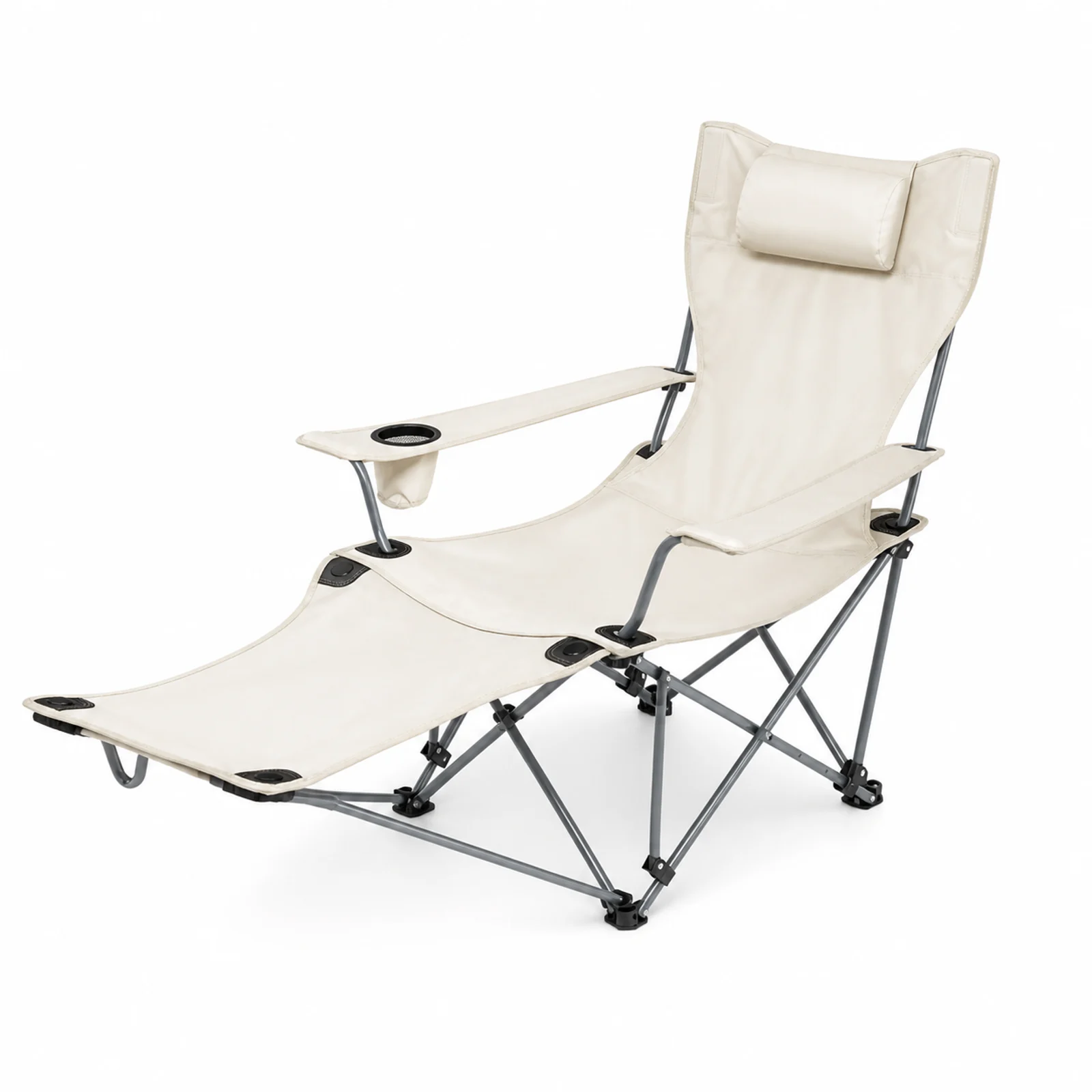
Folding camping chairs are usually the core product in an outdoor seating program. The buyer has to balance comfort, load target, packed size, carton loading and repeat order stability. A buyer should not compare only the photo or the unit price. The sample must show how the structure, fabric, logo and packing will work in bulk production.
A folding chair can pass a quick sitting test but fail after repeated opening and closing if the joint clearance is not checked.
Lower price often means thinner tube, lighter fabric, weaker bag or smaller carton margin, which may create returns after retail sale.
Bulk buyers need the approved sample to match mass production, especially for seat width, fabric color, logo position and packed size.
Compare the open stance, crossing hubs, arm layout and folded length across these three real folding-chair references before choosing a bulk program.
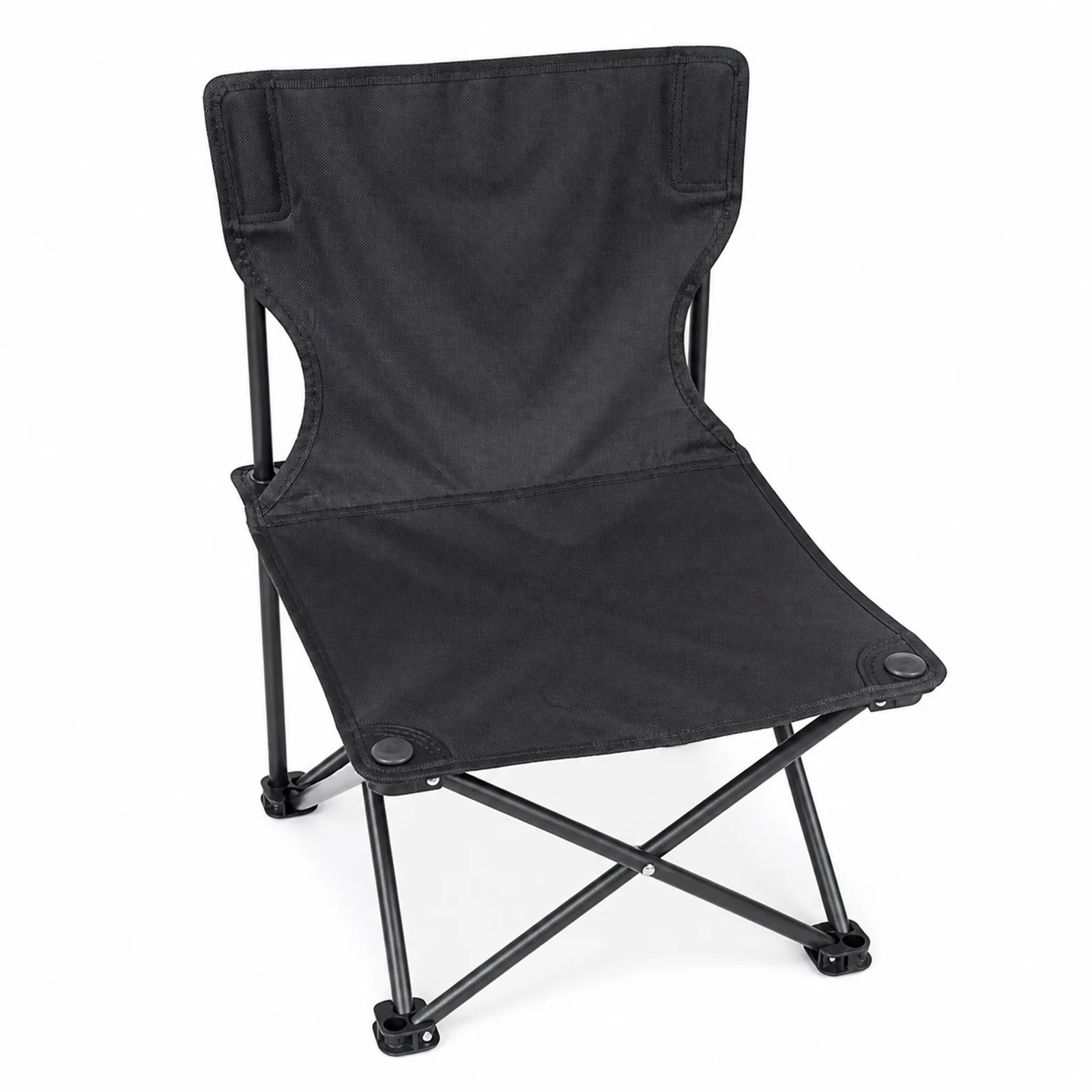
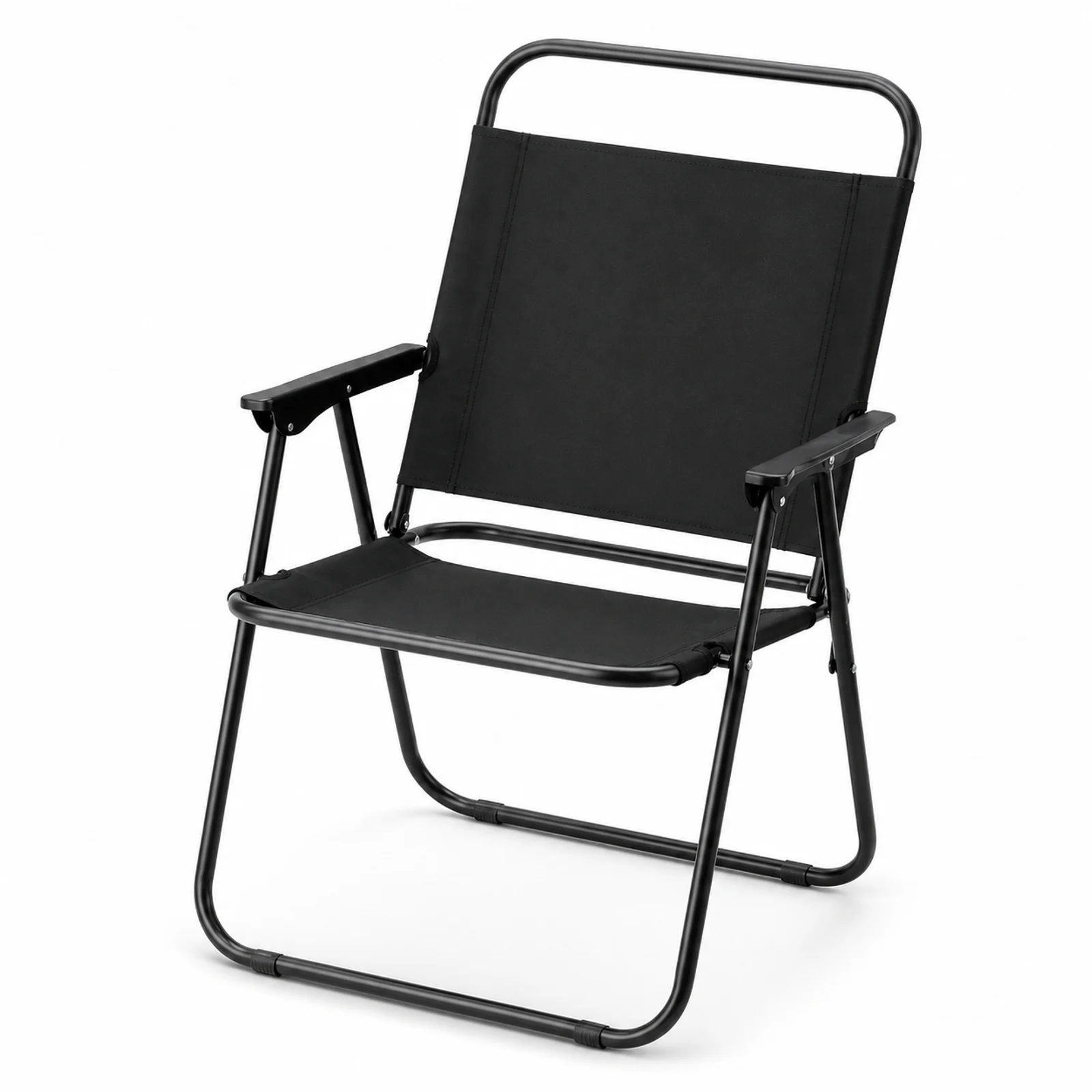
Steel controls cost and stiffness; aluminum reduces carrying weight. The decision is tied to load target, coating, corrosion exposure and price level.
Joint clearance is checked through repeated open-close cycles so the frame folds smoothly without excessive play or pinching the fabric.
Fabric is selected by tear resistance, breathability, padding need and target cost, then confirmed with the actual stitch construction.
Bag fit, barcode location, carton quantity and shipping mark are confirmed from the approved folded sample before mass packing.
MOQ for Folding Camping Chairs depends on chair structure, fabric color, frame finish, logo method and packing style. Existing structures can usually move faster than a new ODM development.
For a folding-chair sample, we record hub movement, foot contact, seat tension, carry-bag fit and carton length. Bulk QC then checks the same points against the approved sample and PO specification.
Inspect coating coverage at welds and joints, then check that the opened frame sits square before fabric assembly is accepted.
Pull-test and visually inspect reinforced seams at the seat corners, back connection and accessory attachment points.
Check cup holder diameter, seam reinforcement and accessory position with the chair occupied and folded.
Cycle sampled frames repeatedly and reject joints that bind, loosen excessively or pinch the seat fabric.
Match model, color, quantity, barcode and shipping mark against the order file before cartons are sealed and photographed.
Confirm the open dimensions, tube and hub layout, target load, folded length, carry bag and units per carton. These items affect both structure cost and freight.
Often yes when the same frame, fabric specification and packing method are used. Custom-dyed fabric or different logos can create separate material minimums.
We cycle sampled frames, then inspect hub play, rivets, tube deformation, pinching points and fabric tension against the approved chair.
Share chair type, reference photo, quantity, logo method, fabric color, packing request and destination market. Our production team will reply with sample suggestions and a bulk order plan.